Step-by-step logo customization for corporate gifts: product choice, artwork, printing methods, placement, colors, proofs, samples, and common mistakes to avoid.
Adding a company logo is one of the most common ways to customize Corporate Gifts. However, effective logo customization involves more than placing an image on a product. The product material, logo design, printing or finishing method, logo position, color, packaging, and production quantity all need to be considered.
A clear customization process can help businesses maintain consistent branding across different products and reduce the risk of errors during bulk production.
Step 1: Choose the Right Corporate Gift
Products commonly customized with logos
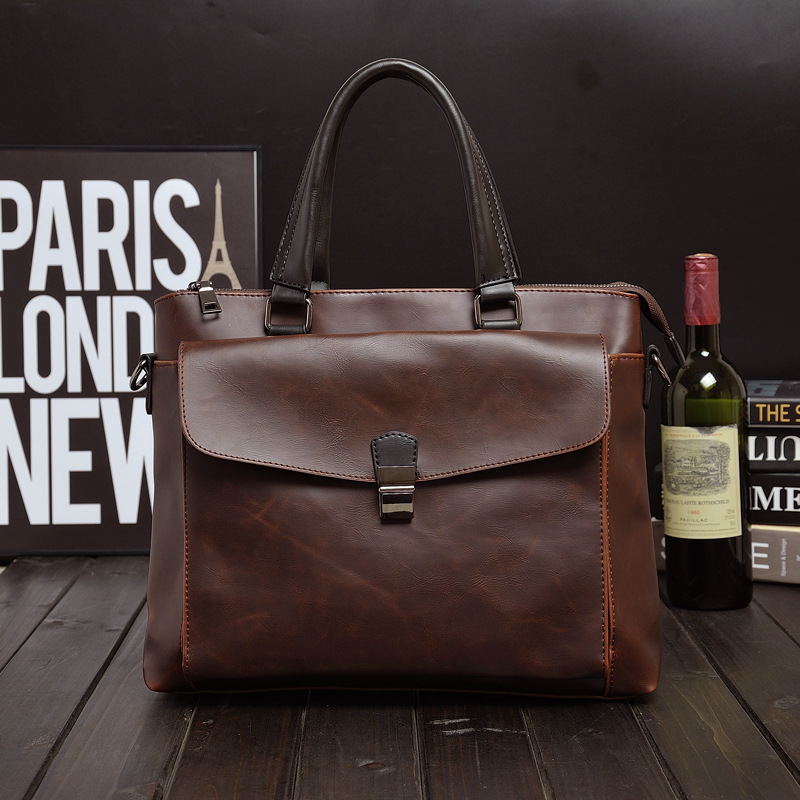
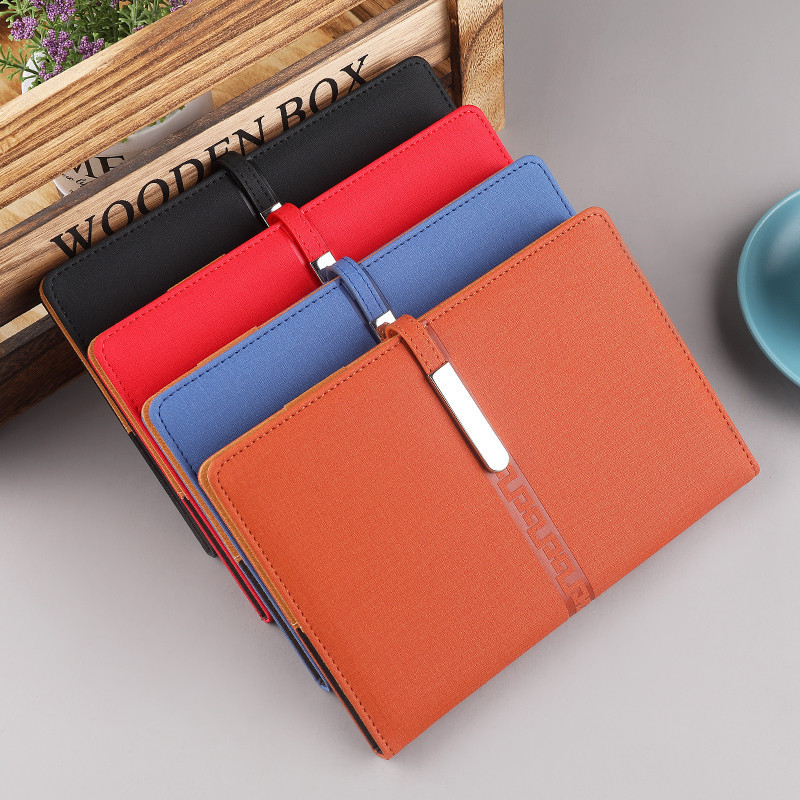
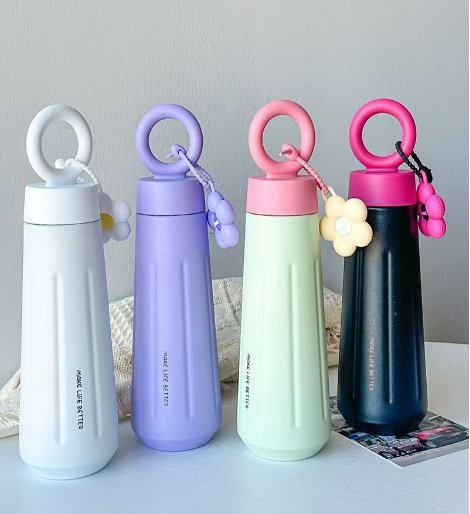
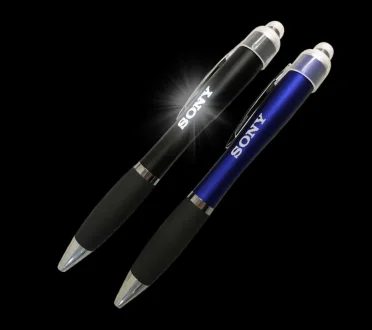
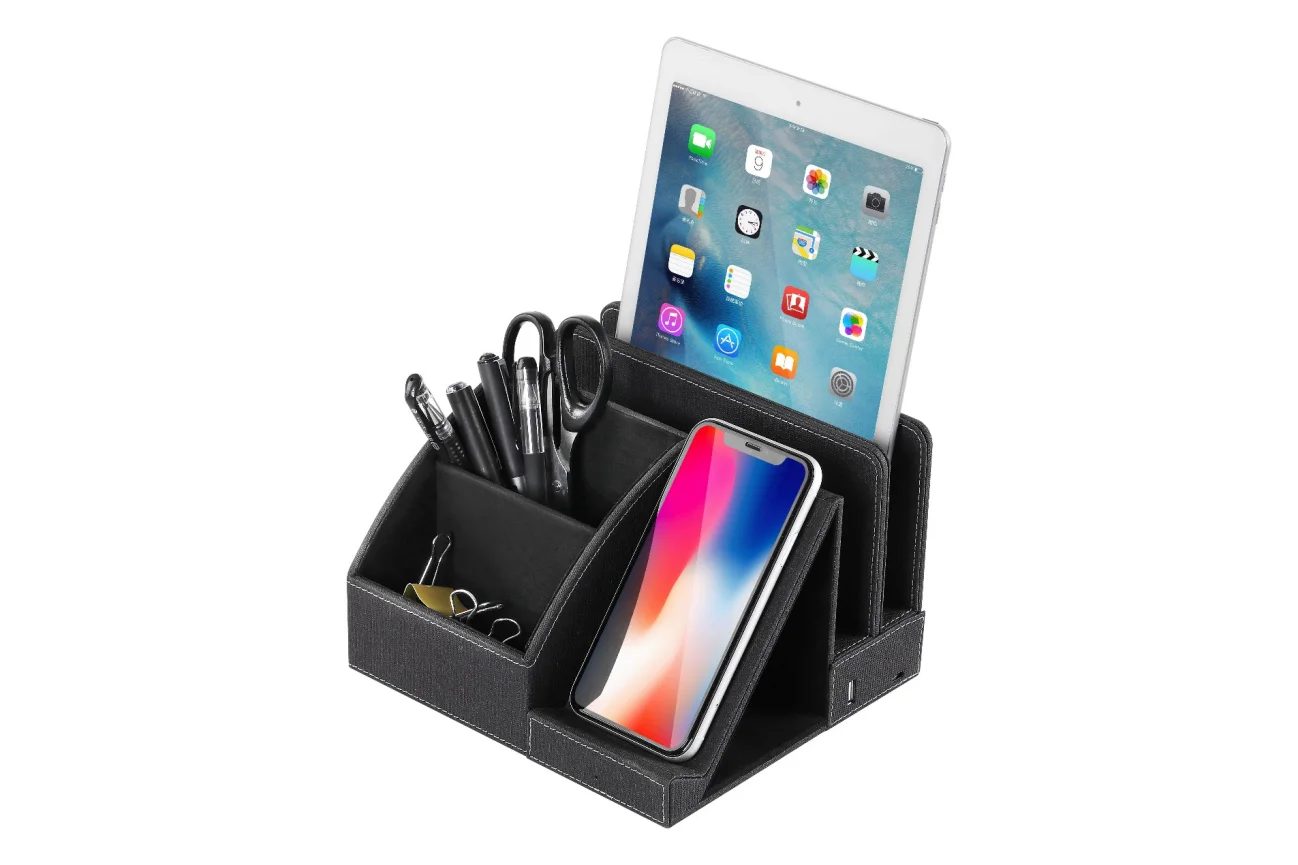
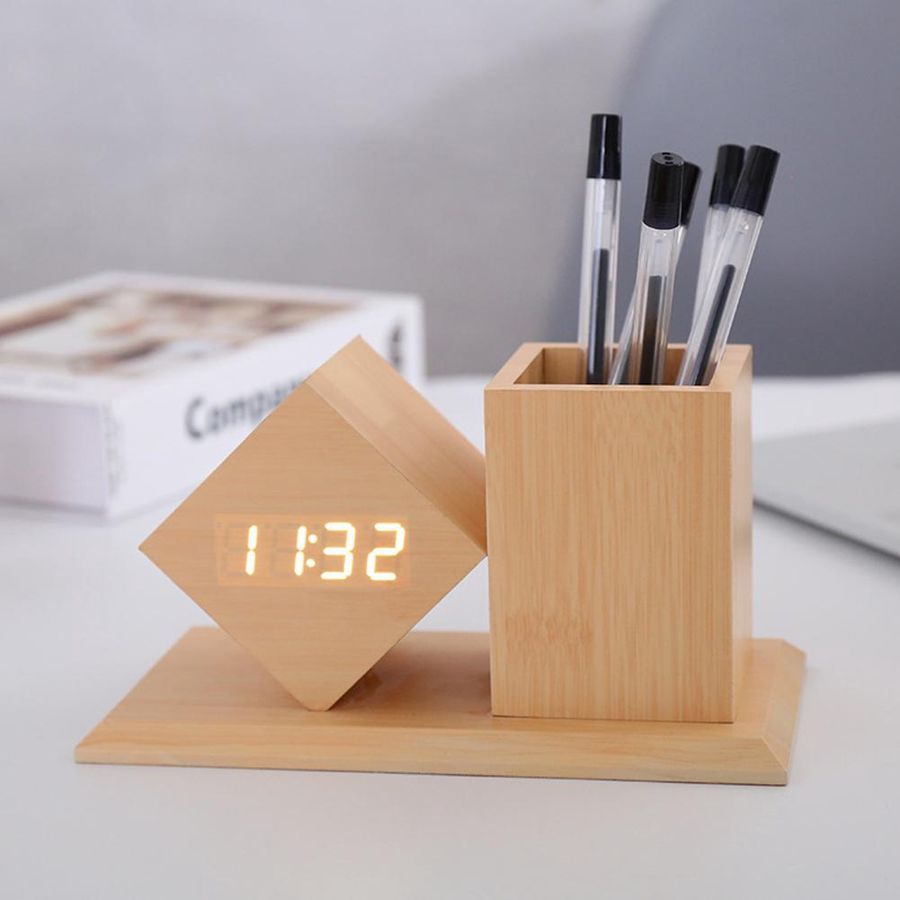
Start by selecting a product that matches the purpose of the campaign and the target recipients. Consider the product's material, size, surface shape, weight, functionality, and available branding area.
For example, bags, notebooks, drinkware, pens, desk accessories, apparel, and travel products may all have different requirements for logo customization. The product should also provide enough space for the logo without affecting its usability or appearance.
Step 2: Prepare the Brand Logo
Provide the supplier with a clear and high-quality logo file. Vector artwork is commonly useful for production because it can be resized while maintaining clean edges.
Businesses should also provide brand guidelines when there are specific requirements for logo proportions, colors, spacing, or typography. Before production, check whether the logo contains small text, fine lines, gradients, or complicated details that may need to be adjusted for the selected customization method.
Step 3: Select the Appropriate Customization Method
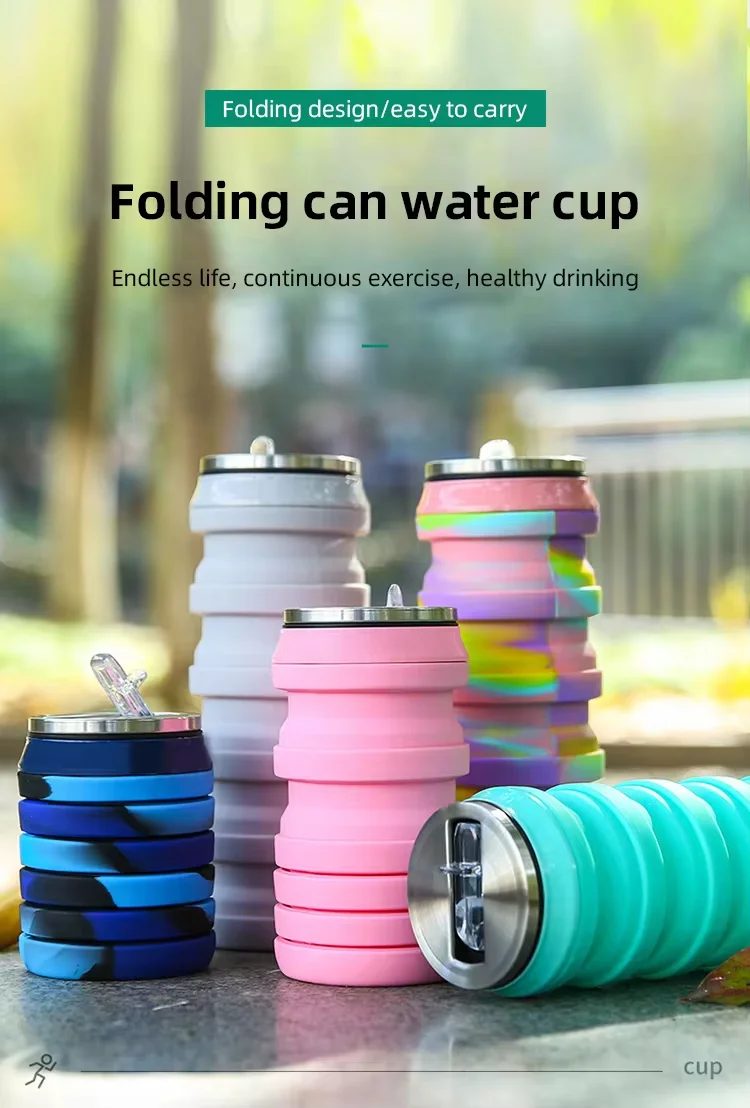
Gift sets & drinkware ready for branding
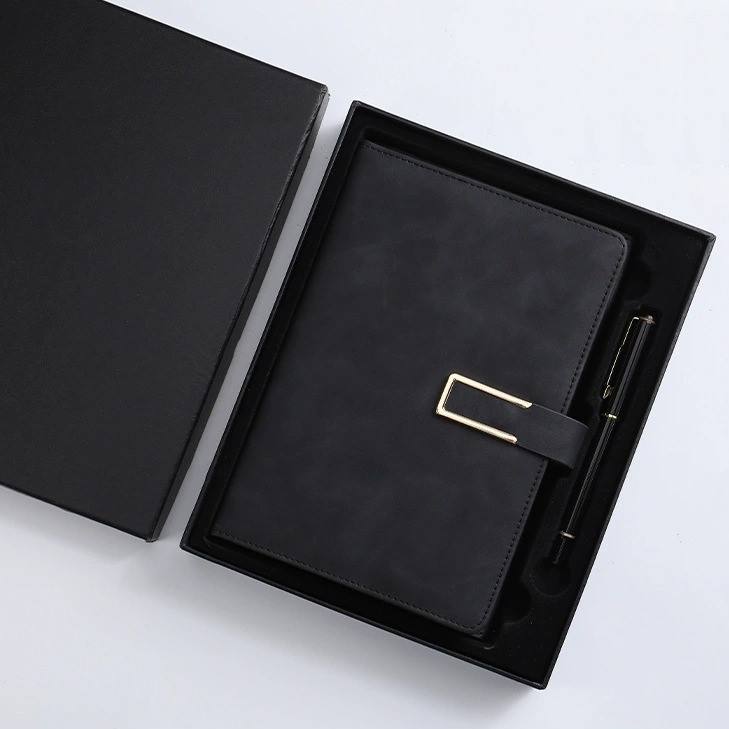
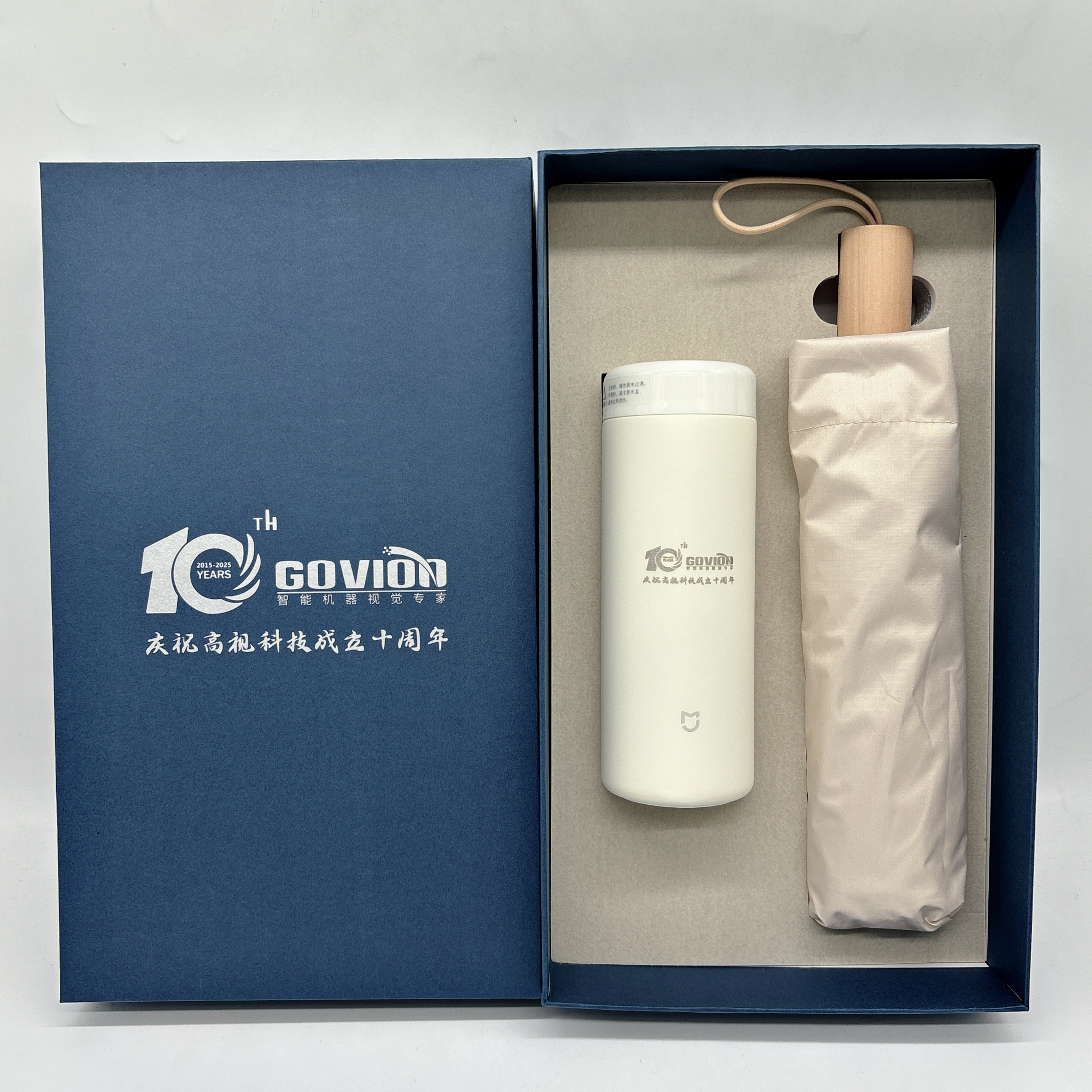
The customization method should be selected according to the product material and the appearance required for the logo.
Screen Printing
Screen printing is commonly used for products with suitable flat surfaces, including certain fabric, plastic, and promotional items. It can be practical for relatively simple logos and larger-volume orders.
UV Printing
UV printing can be used for detailed and full-color designs on compatible hard surfaces. It can be considered when the logo contains multiple colors or more complex graphics.
Laser Engraving
Laser engraving creates a permanent mark by removing or changing the surface of a compatible material. It is commonly considered for products made from materials such as metal or wood where a clean engraved appearance is desired.
Embroidery
Embroidery is suitable for many textile products, including bags, caps, clothing, and other fabric-based corporate gifts. The logo is created with stitched threads, producing a textured appearance.
Embossing and Debossing
Embossing creates a raised logo while debossing creates an indented design. These methods can provide a subtle and tactile appearance on suitable materials such as leather, synthetic leather, paper, and selected gift products.
Step 4: Decide Where to Place the Logo
Logo placement can affect both visibility and the overall appearance of the gift. A logo does not always need to occupy the largest available surface.
Common placement options include the front, side, handle, lid, interior, or another designated branding area. The best position depends on how the product is normally held, used, displayed, or stored. Before production, confirm the exact logo position and dimensions with the supplier. A digital mockup can help buyers visualize the result before mass production.
Step 5: Consider Logo Size and Proportion
The logo should remain recognizable without overwhelming the product design. Very small logos may lose fine details, while oversized logos can make the gift appear overly promotional.
The size should be adjusted according to the available printing area and the complexity of the logo. Small text and fine graphic elements may require additional attention when selecting a customization method.
Step 6: Check Brand Colors
Color consistency is important when corporate gifts are used as part of a broader branding campaign. However, the same logo colors may appear differently depending on the product material, surface color, and customization process.
For dark products, for example, the logo may require a different treatment to remain visible. Buyers should confirm the expected color result before approving mass production.
Step 7: Review the Artwork Proof
Before production begins, carefully review the artwork proof or digital mockup. Check the logo size, position, orientation, colors, spelling, and any additional text.
This is an important stage because changes are generally easier to make before production than after a large batch has already been customized.
Step 8: Request a Physical Sample for Large Projects
For large-volume orders or products with complex customization, a physical sample can provide a more accurate reference than a digital image.
A sample allows buyers to evaluate the actual product material, logo appearance, finishing quality, and overall presentation. If packaging is customized, the packaging sample can also be reviewed before mass production.
Step 9: Confirm Bulk Production Requirements
After approving the artwork and sample, confirm the production quantity, customization method, packaging, delivery schedule, and other specifications.
For large orders, consistent logo placement and finishing are particularly important. Buyers should communicate all approved specifications clearly so the production team can follow the same requirements throughout the order.
Can One Logo Be Used on Different Corporate Gifts?
Yes, the same brand identity can generally be applied across different products, but the customization method may need to change according to the material and surface.
For example, a logo may be engraved on a metal product, printed on a fabric bag, and embossed on a suitable leather product. Maintaining the same basic logo proportions and brand identity can help create consistency while allowing the production method to adapt to each product.
What Should Be Included in a Corporate Gift Logo Brief?
- Company logo and artwork files
- Preferred logo size
- Logo placement
- Brand colors
- Customization method if already specified
- Product material and color
- Quantity required
- Packaging requirements
- Sample or proofing requirements
- Required delivery date
Common Logo Customization Mistakes to Avoid
- Providing a low-resolution logo file.
- Choosing a customization method without considering the product material.
- Making the logo too large for the product.
- Ignoring the visibility of the logo on dark or textured surfaces.
- Skipping artwork approval before bulk production.
- Failing to confirm logo placement and dimensions.
- Leaving too little time for sampling and production.
Conclusion
Customizing corporate gifts with a brand logo requires coordination between product selection, artwork preparation, customization technology, logo placement, color, sampling, and bulk production.
The most reliable approach is to define the branding requirements before production, select a customization method that suits the product material, review the artwork carefully, and approve a sample when necessary. This process can help businesses achieve a more consistent and professional result across customized corporate gifts.
Need a custom quote? MIDU manufactures OEM & ODM corporate gift sets in China. Contact us on WhatsApp / Email, or visit miducustomgift.com/contact and browse products.
Get a custom quote — WhatsApp 8613725944613 · Email Mahone@midugift.com